
Posts by cstephenson@legacymedsearch.com
Hospital Superbugs Reduces with New Infection Prevention Control System

HOSPITAL-acquired infections at a private academic hospital in Johannesburg dropped significantly after a new system for infection prevention and control was established, a study finds. Ventilator-associated pneumonias in the intensive care unit (ICU) decreased by 42% and central-line associated bloodstream infections in the same unit fell by 100% over a three year period at the…
Read MoreScientists Turn Skin Cells into Heart Cells and Brain Cells Using Drugs

In a major breakthrough, scientists at the Gladstone Institutes transformed skin cells into heart cells and brain cells using a combination of chemicals. All previous work on cellular reprogramming required adding external genes to the cells, making this accomplishment an unprecedented feat. The research lays the groundwork for one day being able to regenerate lost…
Read MoreState of the Art Proton Therapy Cancer Treatment Saves New Mom’s Eyesight

Orlando, Fla – An enormous high tech machine is providing new hope to patients across the country with inoperable tumors. Proton therapy is a precise radiation technique that reduces the side effects often accompanied by traditional treatment options. Thanks to this remarkable technology, a new proton therapy center at UF Health Cancer Center – Orlando…
Read MoreScientists Keep Human Embryos Alive Longer In The Lab
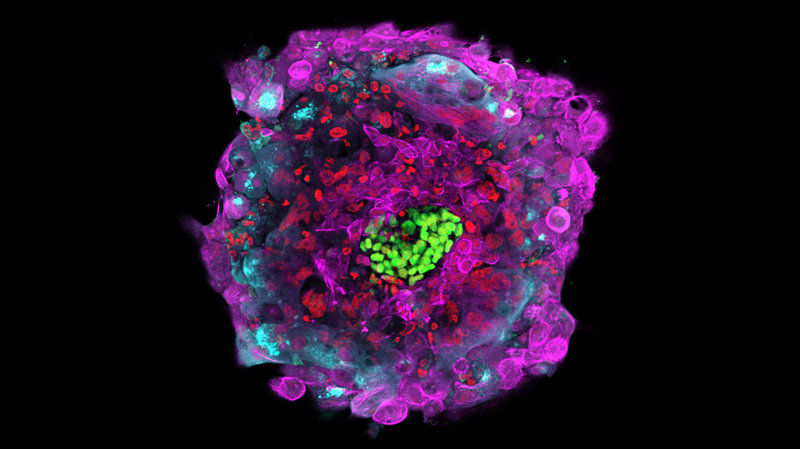
Scientists have been able to make and study human embryos in their labs for decades. But they have never been able to keep them alive outside a woman’s womb for more than about a week. That limitation meant scientists were unable to conduct a range of detailed research into early human development. But now researchers…
Read MoreMiniature Camera Mounts to Eyeglasses of People Legally Blind Improves Reading

A miniature camera using optical character-recognition technology, mounted onto the eyeglasses of people who are considered legally blind, dramatically improves their ability to read an email, newspaper article, menu or page in a book, a study by researchers with UC Davis Health System has found. Using the device, the study participants were significantly better able…
Read MoreSI-BONE, Inc. Surpasses 20,000 Surgeries With Triangular iFuse Implant System

SAN JOSE, Calif., May 3, 2016 /PRNewswire/ — SI-BONE, Inc., a medical device company that pioneered the use of the iFuse Implant System® (“iFuse”), a minimally invasive surgical (MIS) device indicated for fusion for certain disorders of the sacroiliac (SI) joint, announced that iFuse has now been used in over 20,000 procedures worldwide by more than…
Read MoreEKSO BIONICS ANNOUNCES 1-FOR-7 REVERSE STOCK SPLIT

RICHMOND, Calif., May 04, 2016 (GLOBE NEWSWIRE) — Ekso Bionics Holdings, Inc. (OTCQB:EKSO), a robotic exoskeleton company, today announced that it has effected a 1-for-7 reverse split of its common stock in preparation for its planned application for listing of its common stock on the NASDAQ Capital Market. The reverse stock split was approved by…
Read MoreHow Does the Brain Control Movement?
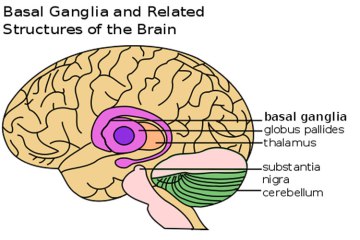
What if you couldn’t move faster even when you wanted to? Researchers thought that the part of the brain that determines how fast we perform voluntary movements, such as walking across a room or playing a melody on the piano, was a bit like a car. It has an accelerator to make movements faster and…
Read MoreReal ANT’s? Researchers build the world’s tiniest engine

Researchers have developed the world’s tiniest engine – just a few billionths of a metre in size – which uses light to power itself. The nanoscale engine, developed by researchers at the University of Cambridge, could form the basis of future nano-machines that can navigate in water, sense the environment around them, or even enter…
Read MoreBrain Prevents Anxiety by Suppressing Perception of Heartbeat
Not being aware of the pulse of our heart might prevent anxiety, EPFL scientists found. Our heart is constantly beating yet we normally do not feel it. It turns out that our brain is capable of filtering out the cardiac sensation so that it doesn’t interfere with the brain’s ability to perceive external sensations. For…
Read More