
Posts by rw-admin
Legacy MedSearch CEO Paula Rutledge on the State of the Medical Device Market

Thanks to Joe Hage for the 10X Conference. I’m on my way to Chicago for the MedCity Invest meeting but of the 11 conferences we’ve attended this year, this one was the most valuable. My talk was on the job market in medical devices, but since that talk, just two weeks ago, unemployment in our…
Read MoreMedical Systems Hacks Are Scary, but Medical Device Hacks Could Be Even Worse

On Friday, a major cyber attack hit health systems around the world. In Britain, where the attack affected hospital IT systems, doctors were unable to access patient records. Ambulances were diverted and emergency care delayed. Unfortunately, attacking hospital IT systems is just the tip of the iceberg when it comes to cyber vulnerabilities in the health…
Read MoreHeart Rate Apps, Not as Accurate as You Think

Consumers are being warned about the accuracy of heart rate apps after a study found huge variability between commercially available apps, even those using the same technology. The research is published today in the European Journal of Preventive Cardiology. “Heart rate apps come installed on many smartphones and once people see them it is human…
Read MoreChristie Medical Holdings and B Braun Medical Announce Collaboration Aimed at Improving Peripheral IV Access Success

MEMPHIS, Tenn. (April 27, 2017) — Christie® Medical Holdings, Inc., with its market-leading vein finder technology, VeinViewer® system, today announced an alliance with B. Braun Medical Inc., a leader in infusion therapy and pain management. Intravenous (IV) therapy plays a central role in patient care with as many as 90 percent of hospital patients receiving…
Read MoreRobotic Drill Could Perform Surgery 50x Faster
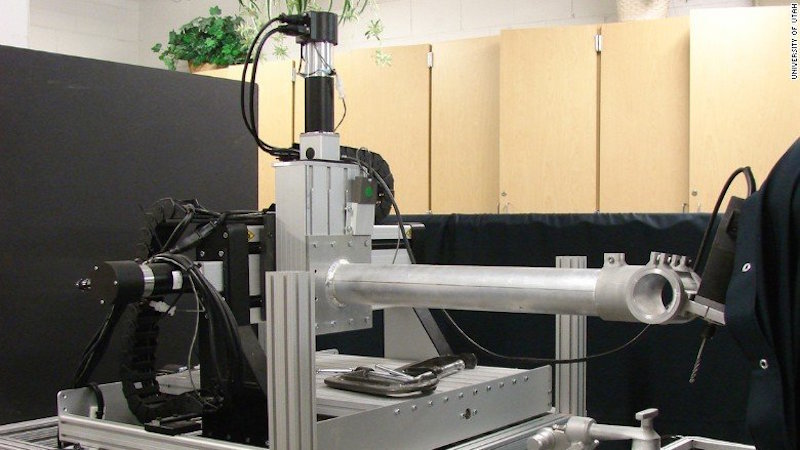
NEW YORK (CNNMoney) — A robotic drill could perform your future surgery — way, way faster than usual. Researchers from the University of Utah have created an automated machine that can do a complicated cranial surgery 50 times faster than standard procedures. The team’s approach reduces the surgery time from two hours with a hand…
Read MoreCardiologist Warns Against Dissolvable Stents in NEJM
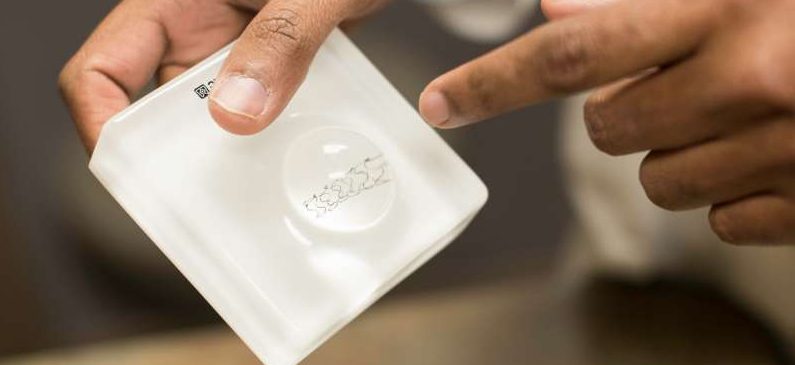
In a New England Journal of Medicine (NEJM) editorial published last week, Debabrata Mukherjee, M.D., provides expert commentary on bioresorbable stents, an alternative to the traditional stents used in patients with cardiac conditions. In his editorial, Dr. Mukherjee encourages cardiologists to continue using conventional drug-eluting stents, instead of the newer bioresorbable option. Conventional stents have…
Read MoreSynaptive Medical Wins CE Mark for BrightMatter Surgical Planning System
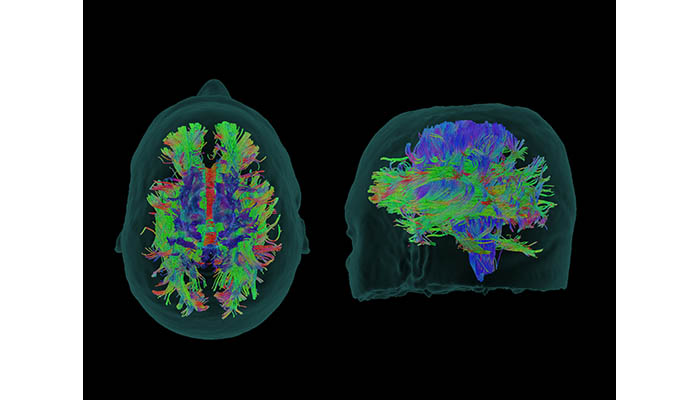
Synaptive Medical said today that it won CE Mark clearance in the European Union and regulatory approval in Australia for its BrightMatter Plan neurosurgical planning system. The Toronto-based company’s technology automatically generates 3D pictures of the brain, allowing surgeons to craft accurate preoperative plans. “Europe and Australia are home to many highly influential clinician-researchers in…
Read MoreHot Medtech Startups: 10 Companies to Watch in 2017

Medtech startups face more challenges than they have in the past, but several companies are developing products that take advantage of new technology and are specifically designed to meet healthcare’s evolving needs. The number of medtech startups has declined. Thirty years ago, the medtech field averaged 1,500 startups; it slid to about 600 by 2012.…
Read MoreFirst Robotic Surgery Performed to Remove Kidney Cancer Extending into the Heart

A surgical team at Keck Medicine of USC pushed the boundaries of clinical care by performing the first-ever robotic, minimally invasive surgical removal of a stage IV tumor thrombus — the removal of a kidney cancer tumor that extends into the heart. The nearly 10-hour procedure required painstaking precision from three renowned surgeons, a critical care…
Read MoreWorld-First Implantation of 3D-Printed Vertebrae
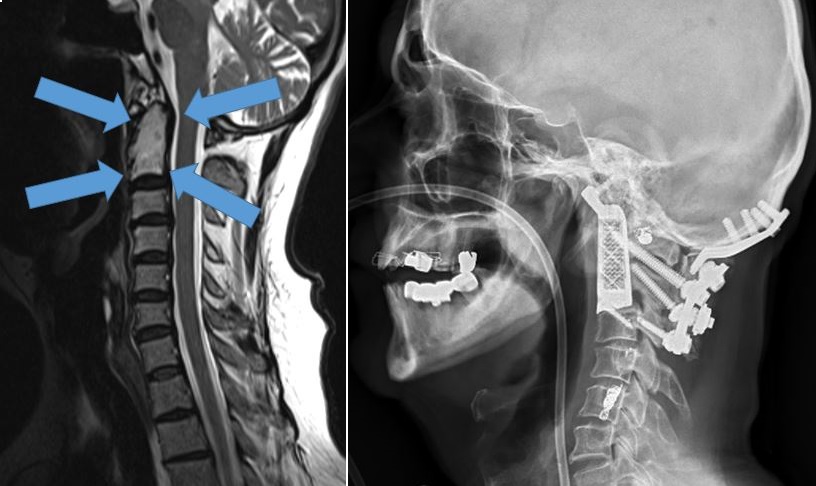
Ralph Mobbs, a neurosurgeon from the Prince of Wales Hospital, Sydney, Australia, has replaced two cancerous vertebrae with 3D-printed implants, according to a report from the Australian Broadcasting Company (ABC). The world-first surgery took approximately 15 hours, and involved the separation and re-attachment of the patient’s skull from his spinal tissue. The patient presented with…
Read More