
Posts by cstephenson@legacymedsearch.com
EpiPens Are Getting A Lot More Expensive

Some families gearing up for the start of school have noticed that one important item for kids with severe food allergies has gotten a lot more expensive. With some retailers now charging more than $700 for a set of EpiPens, allergists say they’ve heard from some concerned parents. The marker-sized injectors are filled with epinephrine…
Read MoreBoston Scientific Recalls Lotus Valve System Units for Delivery System Malfunction
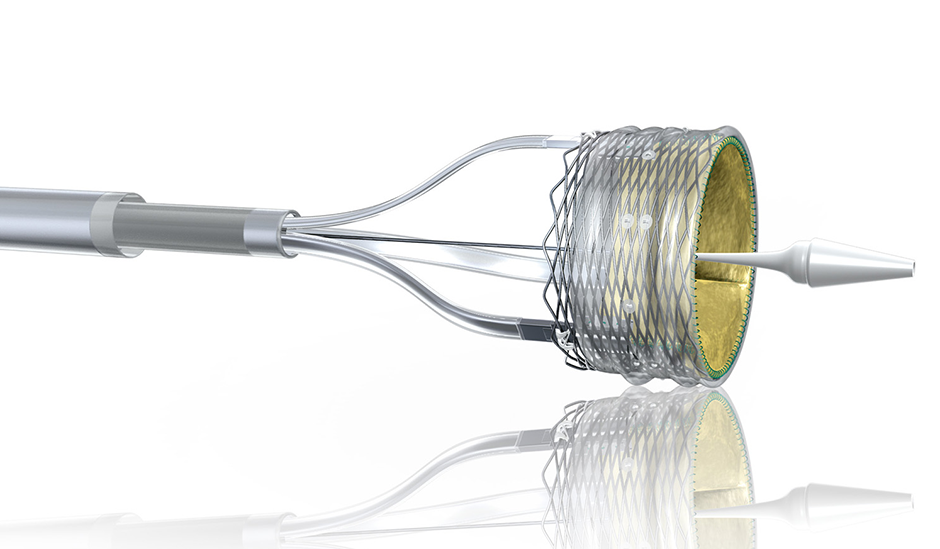
MARLBOROUGH, MA — Boston Scientific has issued a voluntary global recall for several units of the Lotus Valve System because of breakage issues with the release mandrel, a component of the delivery system. Release mandrel breaks most commonly resulted in the need to resheath and remove the device, which added to procedural times, but also…
Read MoreCopper Kills Bacteria and Wins Fans in Health Care
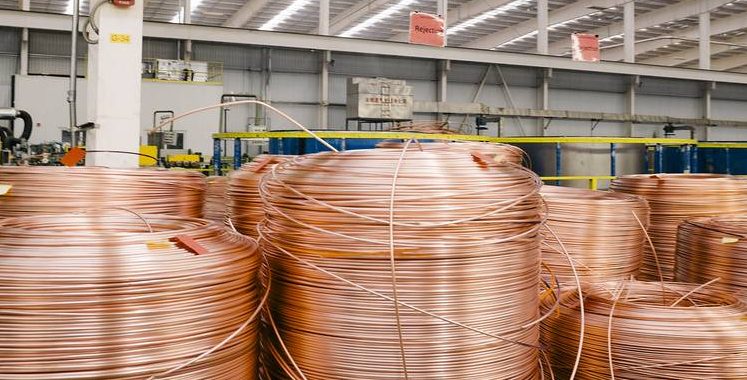
Copper is used in everything from automobiles to air conditioners, but it has one property that makes it especially attractive for medical uses: It kills bacteria A burgeoning opportunity for copper producers relies on a simple premise: that the base metal is good for your health. Copper is used in everything from construction to electrical…
Read MoreSiemens and INSIGHTEC Sign Strategic Agreement

ERLANGEN, Germany and HAIFA, Israel, Aug. 15, 2016 /PRNewswire/ — INSIGHTEC, the global leader in MR-guided Focused Ultrasound (MRgFUS) therapy, announced today the signing of a strategic agreement with the global leader in Magnetic Resonance Imaging, Siemens Healthineers. The strategic collaboration will involve the development of compatibility between Exablate Neuro and Siemens leading 1.5T and…
Read MoreCompound from Marine Sponge Reduces Pancreatic Tumor Size

A deep-water marine sponge that contains leiodermatolide has the ability to inhibit the growth of cancer cells and block cancer cells from dividing using extremely low concentrations of the natural compound. Scientists at Florida Atlantic University’s Harbor Branch Oceanographic Institute found that a deep-water marine sponge collected off of Fort Lauderdale’s coast contains leiodermatolide, a…
Read MoreWhy Doctors Want A Computerized Care Assistant For Cancer Patients

A computer may soon be able to offer highly personalized treatment suggestions for cancer patients based on the specifics of their cases and the full sweep of the most relevant scientific research. IBM and the New York Genome Center, a consortium of medical research institutions in New York City, are collaborating on a project to…
Read MoreWireless ‘Neural Dust’ Could Monitor Your Brain
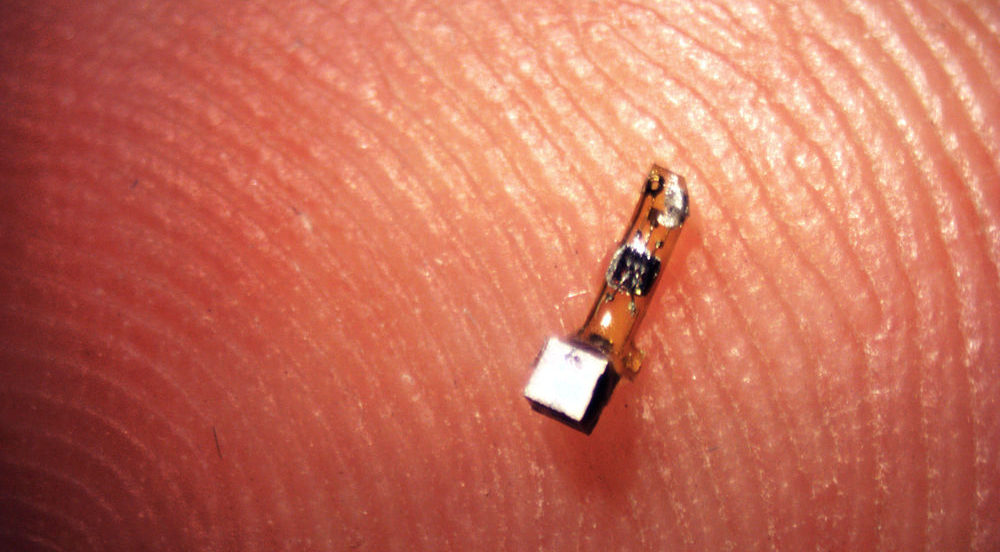
Science fiction that features wires connecting brains to computers might now be obsolete. Wireless powered implants, each smaller than a grain of rice, could serve as “neural dust” that can one day scan and stimulate brain cells. Such research could one day help lead to next-generation brain-machine interfaces for controlling prosthetics, exoskeletons and robots, as…
Read MoreSpinal Simplicity Introduces Next Gen Spine Fusion Device With New Feature
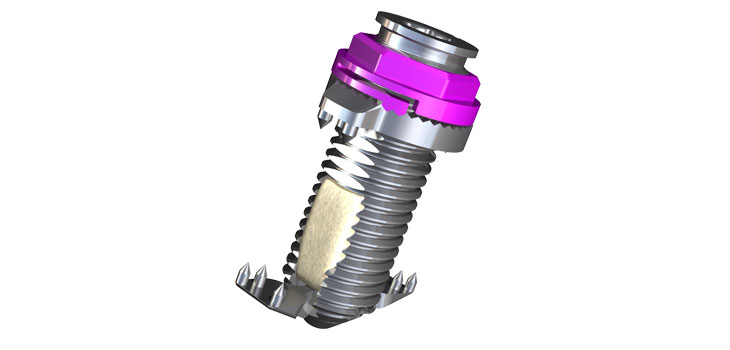
LEAWOOD, Kan., Aug. 15, 2016 /PRNewswire/ — Spinal Simplicity, a medical device company based in Overland Park, Kan., that develops innovative solutions to treat complex surgical problems, recently announced a new generation of their Minuteman G3 fusion device that features an FDA-cleared coating of hydroxyapatite (HA). “HA has been used in orthopedic procedures for the last…
Read MoreListings for Heart Transplants Increase Since ACA Implementation

Since the implantation of the Patient Protection and Affordable Care Act (ACA) in 2014, listings for heart transplants have increased by 17 percent, according to a recent analysis. Meanwhile, listings for liver transplants and kidney transplants only increased 2 percent and 1 percent, respectively, during the same time period. Lead researcher Guilherme H. Oliveira, MD,…
Read MoreNovel Technology May Prevent Burn Scarring

A group of researchers from Tel Aviv University and Harvard University has devised a new non-invasive method to prevent burn scarring caused by the proliferation of collagen cells. They are using short, pulsed electric fields prevent the formation of burn-related hypertrophic scars — raised tissue caused by excessive amounts of collagen. Research for the study…
Read More