
Posts by rw-admin
Real ANT’s? Researchers build the world’s tiniest engine

Researchers have developed the world’s tiniest engine – just a few billionths of a metre in size – which uses light to power itself. The nanoscale engine, developed by researchers at the University of Cambridge, could form the basis of future nano-machines that can navigate in water, sense the environment around them, or even enter…
Read MoreBrain Prevents Anxiety by Suppressing Perception of Heartbeat
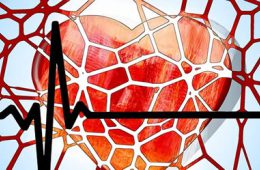
Not being aware of the pulse of our heart might prevent anxiety, EPFL scientists found. Our heart is constantly beating yet we normally do not feel it. It turns out that our brain is capable of filtering out the cardiac sensation so that it doesn’t interfere with the brain’s ability to perceive external sensations. For…
Read MoreSmartphone Apps Helping in the Emergency Room to Make Decisions

The concept of shared decision-making in healthcare is making its way from physician offices into emergency rooms as hospitals look to become more patient-friendly. Mobile apps are helping to accelerate the shift. A piece in the Wall Street Journal on Tuesday examined this trend. “Now, to help patients and families weigh the evidence and compare risks and benefits,…
Read MoreSamsung App Helping Premature Babies Hear Parents Voice
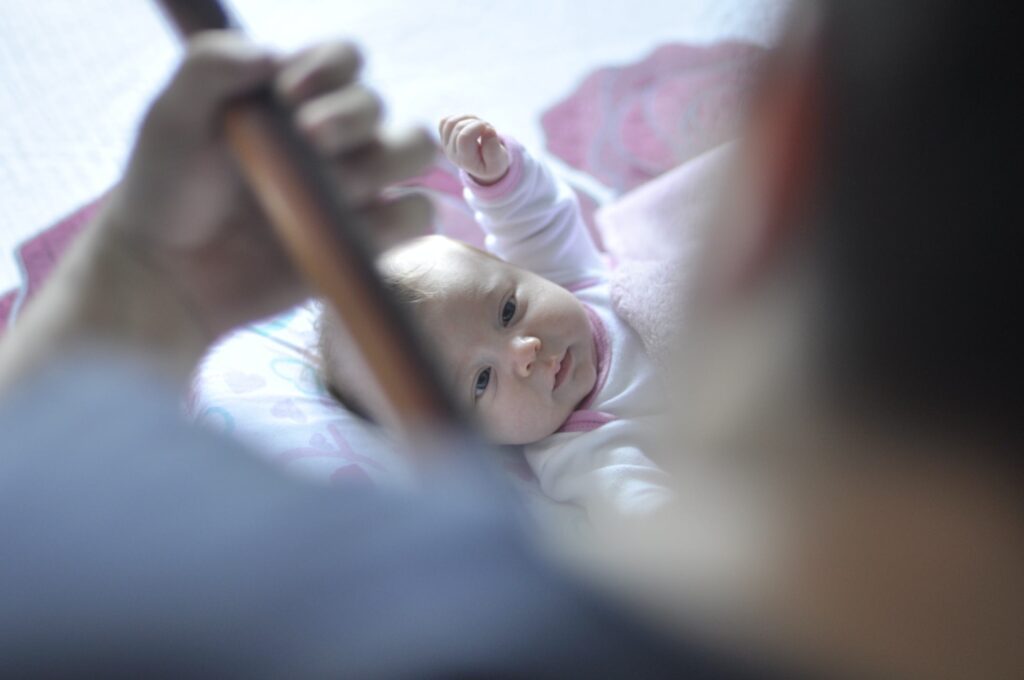
For babies, the sound of their mother’s voice isn’t just comforting — it can be the key to healthy brain development. That’s not easy to manage for premature babies stuck in incubators, though, and Samsung thinks smartphones might help out. Its Voice of Life app lets a mom record her heartbeat and voice on her phone,…
Read MoreDoppler ultrasound headset performs well at spotting sports-related concussion
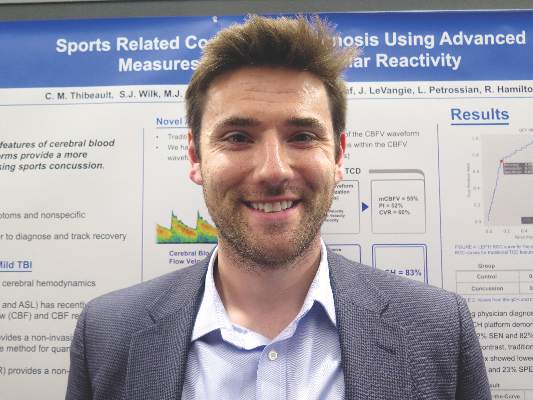
VANCOUVER – A new transcranial Doppler platform that analyzes subtle changes in the cerebral blood flow waveform performed well in detecting sports-related concussion in a cohort study of 238 Los Angeles high school athletes. The investigational headset device was able to differentiate between those with and without a recent concussion 83% of the time, investigators…
Read MoreImproved Healthcare Worker Eye Protection Can Help Reduce System Occupational Infection Risk

TIDI Products, LLC, a leading manufacturer of clinically differentiated, single-use, infection-prevention products, today cited the presentation of important scientific research at the annual meeting of the International Association of Healthcare Central Service Materiel Management (IAHCSMM) in San Antonio, Texas. IAHCSMM is a professional association of more than 23,000 members dedicated to protecting employee and patient…
Read MoreAbbott Labs Intends to Spend $19.3 Billion to Buy St. Jude Medical

Abbott Laboratories will spend $19.3 billion to buy St. Jude Medical Inc. in a cash-stock deal that aims to strengthen the medical device maker’s stake in cardiovascular care. Shares of North Chicago, Illinois-based Abbott plunged, while St. Jude soared Thursday morning after the companies announced the deal. The combined company will offer devices in nearly…
Read MoreEach Hour of Sedentary Time Linked to Increased Coronary Artery Calcium
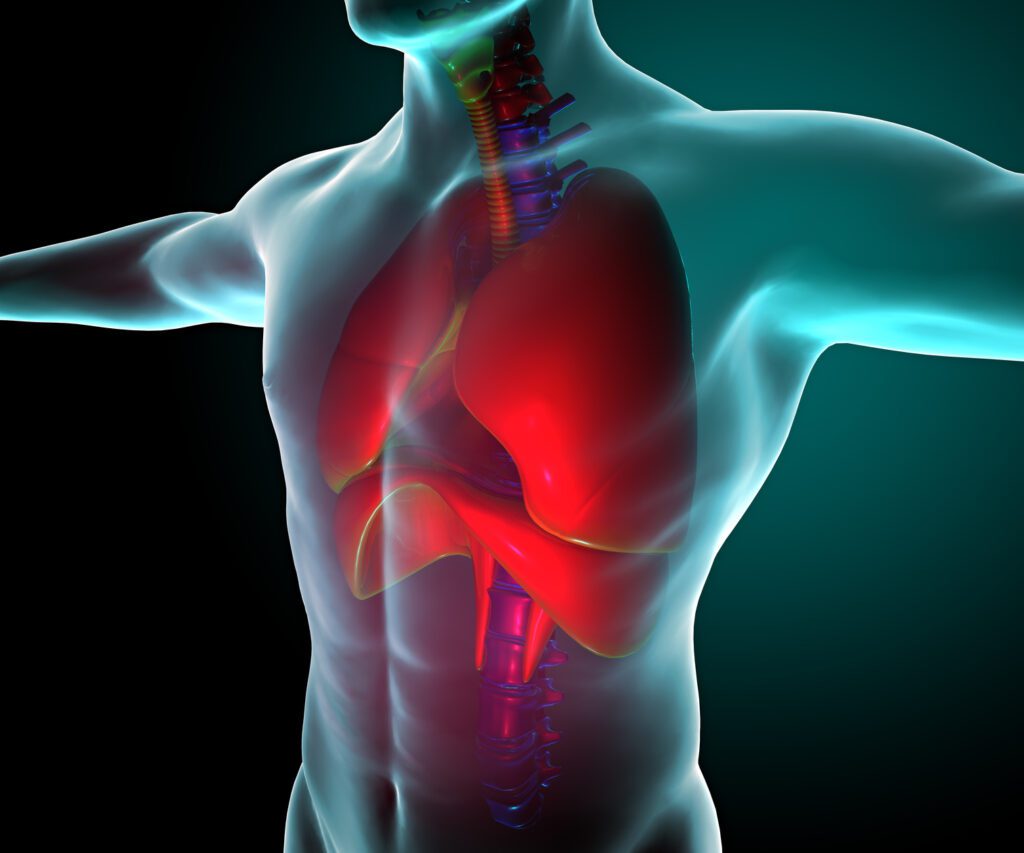
One reason being sedentary is so bad for health may be that it promotes “hardening” of the arteries with calcified deposits, a new U.S. study suggests. Research with middle-aged volunteers found that each additional hour of sedentary time was linked to 12 percent higher odds of having calcium buildup in the coronary arteries, an early…
Read MoreDrone Delivery of Medical Supplies Takes Off
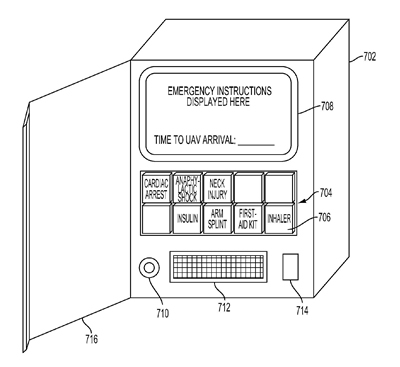
Although the convenience of having packages delivered directly to our doors within hours of purchase is still a ways away, on-demand delivery of medical supplies is becoming a reality. Earlier this month, Google was awarded a patent for a dispatch system that would fly lifesaving medical equipment to where it was needed on the spot.…
Read MoreFirst paralyzed person to be ‘reanimated’ offers neuroscience insights
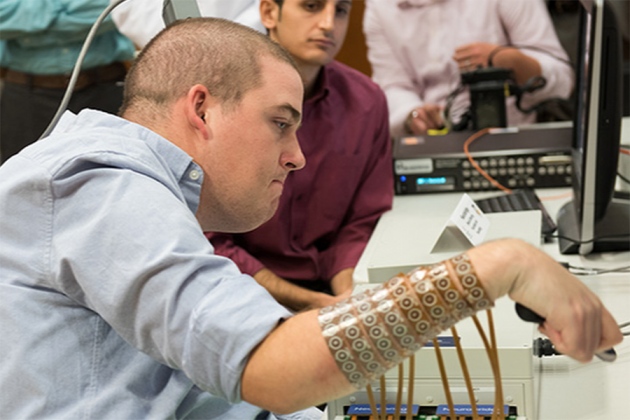
A quadriplegic man who has become the first person to be implanted with technology that sends signals from the brain to muscles — allowing him to regain some movement in his right arm hand and wrist — is providing novel insights about how the brain reacts to injury. Two years ago, 24-year-old Ian Burkhart from Dublin, Ohio,…
Read More